Wisdom Tooth Removal in Bradford, Ontario
Hola Dentistry provides wisdom tooth assessments in Bradford, Ontario. This page focuses on third molars, including impacted wisdom teeth. For removal of other teeth, see our tooth extraction service. If a wisdom tooth causes pain, swelling or difficulty cleaning, a dentist can assess its position, the surrounding teeth and gums, and appropriate diagnostic images. Monitoring, removal, treatment of another problem or referral may be recommended after an individual examination.
Visit 152 Holland Street East, Unit 3, Bradford, ON L3Z 2B7, or call (905) 551-0055 to ask about an appointment. Our team can assist in English and Persian (فارسی). Your medical history, medications, symptoms, tooth position and treatment complexity help guide the discussion of care and referral when needed.
Direct Patient Decision Support: Understanding Impacted Wisdom Teeth
Wisdom teeth are the third molars at the back of the mouth. They usually emerge during the teenage years or early adulthood. An impacted tooth cannot fully emerge into a normal position. Not every wisdom tooth needs removal: the decision depends on symptoms, disease, tooth position, nearby structures and the risks of treatment or continued monitoring.
- Soft Tissue Impaction: Gum tissue partly or fully covers the tooth. Food and bacteria may collect around a partly erupted tooth, and inflammation or infection can develop. An examination helps determine the cause of symptoms and suitable treatment.
- Partial and Full Bony Impaction: Part or all of the tooth remains within the jawbone. Its depth, direction and relationship to adjacent teeth, nerves and other structures affect planning. Impaction alone does not mean extraction is necessary.
- Assessment and Referral: Appropriate X-rays may help assess the tooth and nearby structures. Your dentist can explain findings, discuss monitoring or removal, and recommend referral when the case exceeds the treating provider's scope.
What Happens During Wisdom Tooth Removal?
Before wisdom teeth extraction, the dentist explains the recommended procedure, alternatives, material risks and aftercare. Ask about pain control, the expectedrecovery and whether the case should be referred to an oral and maxillofacial surgeon.
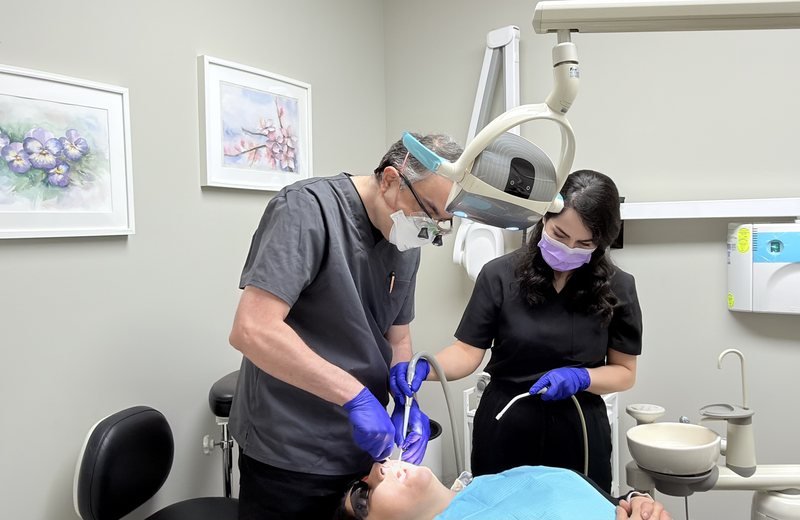
- Profound Localized Freezing: Local anaesthetic is used to reduce sharp pain during treatment. Pressure or movement may still be noticeable. Tell the dental team if you feel sharp pain so they can assess your comfort and adjust care.
- Conservative Tissue Management: An impacted tooth may require an incision and removal of some surrounding bone. The exact approach depends on tooth position and nearby structures; not every extraction requires these steps.
- Strategic Tooth Sectioning: The dentist may divide a tooth into sections when this helps its removal. The technique is selected for the individual tooth and does not eliminate the possibility of complications.
- Sterile Cleaning and Stitched Closure: The dentist checks and cleans the socket after removal. Sutures may be used when appropriate; the type of stitch and any follow-up needs depend on the procedure.
Clear Financial Guidance: Surgical Benefits and the CDCP
Private insurance and CDCP benefits depend on the proposed procedure and the applicable plan rules. Ask the clinic to review active coverage, any required approvals and your potential payment before you agree to care. Estimates and preauthorizations do not guarantee final payment.
- Comprehensive Pre-Determinations: Ask whether a predetermination can be submitted to your insurer before treatment. The insurer determines benefits according to your plan, and the final amount paid may differ from an estimate.
- The Canadian Dental Care Plan (CDCP) Alignment: Eligible tooth extractions may be covered under the Government of Canada's CDCP rules. Sedation and related services have separate criteria and may require preauthorization. Confirm the specific procedure, active benefits and any required approval before treatment.
Post-Operative Care: Guidelines for a Smooth Recovery
Some soreness, swelling, minor bleeding and jaw stiffness can occur after wisdom tooth removal. Recovery varies with the procedure and your health. Follow your treating provider's written instructions; the general information below does not replace individual aftercare advice.
- Protect the Healing Socket: Avoid disturbing the blood clot. Follow the dentist's instructions about straws, smoking, vaping, spitting and rinsing. Dry socket can cause severe or increasing pain and needs professional assessment.
- Manage Swelling Early: Use a cold pack wrapped in cloth only as instructed. Rest and follow your provider's advice on activity and head position. Contact the clinic if swelling increases unexpectedly or you develop fever.
- Stick to a Soft Food Diet: Choose soft foods as advised and avoid foods that irritate the socket. Do not use a fixed website timeline to decide when to resume normal eating; follow the instructions for your procedure.
Wisdom Tooth Pain and Urgent Assessment in Bradford
Call (905) 551-0055 if pain is severe or worsening, swelling develops, or you have difficulty opening your mouth. Ask about urgent dental assessment and appointment availability. Difficulty breathing or swallowing requires urgent medical attention; call 911 when symptoms are life-threatening.
Risks, Alternatives and CDCP Questions
The dentist should explain benefits, alternatives and material risks, which may include dry socket, infection, bleeding, or injury to nearby teeth or nerves. Suitability for treatment in the clinic or referral depends on the findings. Sedation options must be discussed and confirmed for the individual case.
See our CDCP information for Bradford patients and the official CDCP Dental Benefits Guide. Your payment may include an income-based co-payment, a difference between clinic and CDCP fees, or services outside coverage. Ask for an estimate before agreeing to treatment.
Information updated October 27, 2026.
Frequently Asked Questions
Do all wisdom teeth need to be removed?
No. A dentist considers the tooth’s position, symptoms, surrounding tissues and any disease or risk before recommending removal or monitoring. An X-ray may help when clinically indicated.
How is wisdom tooth removal different from another extraction?
A wisdom tooth can be erupted, partly erupted or impacted. Its position and relationship to nearby structures affect planning. Some cases can be managed in general practice; others may need referral.
What should I discuss before a wisdom tooth procedure?
Explain your medications, medical history and previous anaesthetic concerns. Ask about the reason for removal, alternatives, procedure, possible complications and your individual aftercare instructions.
When should I contact the clinic after removal?
Follow your written instructions and contact the team about persistent bleeding, worsening pain, swelling or other concerns. Breathing or swallowing difficulty requires urgent medical attention.
Can CDCP cover wisdom tooth removal in Bradford?
Removal of teeth may be eligible under CDCP conditions. Ask the team to check the specific extraction and any related approval requirements against your active benefits before treatment.
Related treatment guides: Tooth Extractions, Oral Surgery; CDCP information. Independent information: ODA wisdom teeth information, CDA oral surgery information and RCDSO. These resources do notimply endorsement.
Schedule Your Wisdom Tooth Consultation in Bradford
If you have wisdom tooth pain, repeated swelling or questions about an X-ray finding, contact Hola Dentistry for an assessment. We can discuss whether monitoring, removal, another treatment or referral may be appropriate. Difficulty breathing or swallowing needs urgent medical attention.