Tooth sensitivity, pain when biting, dark spots, or a visible hole may be signs of tooth decay. Learn seven warning signs and when to book a dental assessment in Bradford.

Tooth sensitivity, pain when biting, a visible hole, or a new dark spot can be signs of decay or damage that may require a dental filling. However, some cavities cause no symptoms at first, and similar discomfort can come from other dental problems. A clinical examination—and diagnostic X-rays when appropriate—is the only reliable way to determine what treatment is needed.
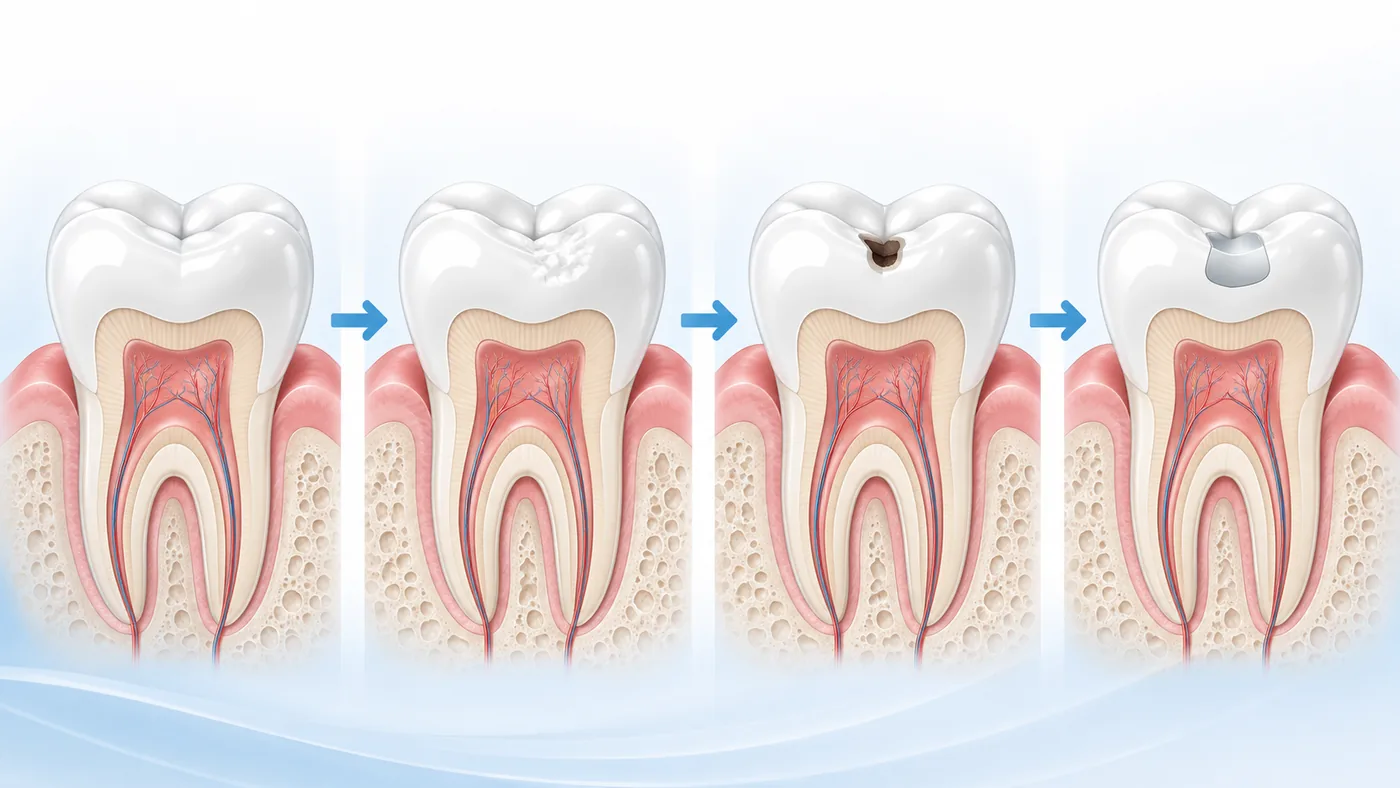
If a tooth feels different, it is easy to wait and hope the problem disappears. Early assessment is usually the safer approach. Tooth decay can begin as mineral loss in the enamel and may be stopped or reversed before a physical cavity forms. Once the enamel breaks down and a hole develops, a restoration such as a dental filling is commonly used to remove damaged tissue and rebuild the tooth.
Hola Dentistry provides examinations and restorative care for patients in Bradford West Gwillimbury and nearby communities. This guide explains seven possible warning signs, why symptoms do not always confirm a cavity, and what to expect when you book an assessment.
Possible Warning Signs
7 Signs You May Need a Dental Filling
These signs do not automatically mean that you need a filling. They are reasons to have the tooth assessed before a small issue becomes more difficult to treat.
1. Sensitivity to Hot, Cold, or Sweet Foods
A sharp or sudden sensation when you drink something cold, eat a sweet snack, or have a hot beverage may occur when enamel has weakened and the more sensitive layer beneath it is exposed. Sensitivity can also result from gum recession, tooth wear, or a crack, so the cause should be confirmed before treatment.
2. A Toothache That Keeps Returning
Ongoing or recurring pain can indicate that decay has progressed beyond the earliest stage. Pain does not reveal how deep the problem is, and waiting for it to become severe can reduce the number of conservative treatment options available.
3. Pain When Biting or Chewing
Discomfort when pressure is placed on one tooth may be related to decay, a crack, a damaged restoration, or inflammation around the tooth. A dentist may check your bite and use imaging when clinically needed to identify the source.
4. A Visible Hole or Pit
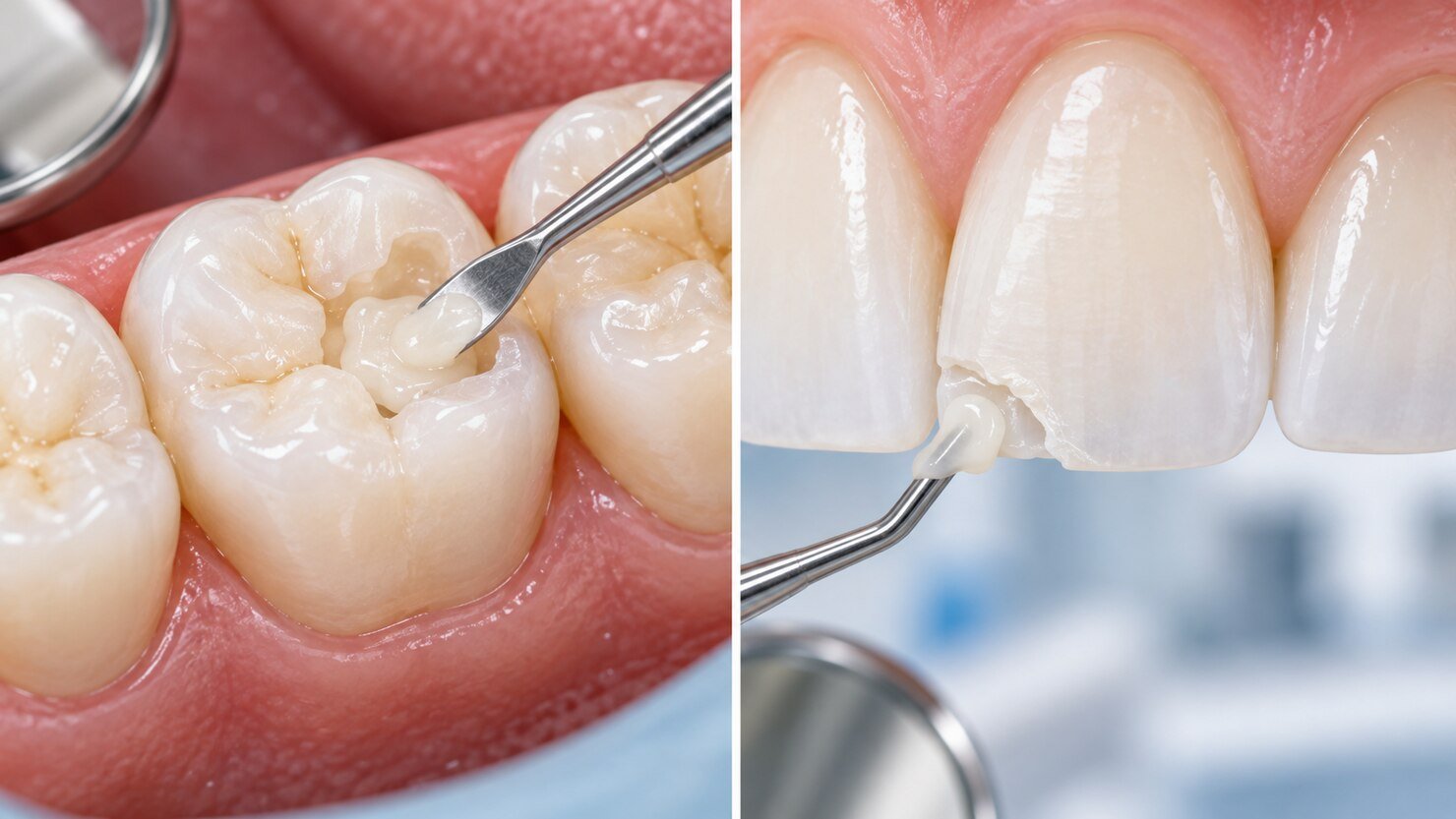
A small opening, indentation, or rough area that you can see or feel with your tongue may be a physical cavity. Cavities can also develop between teeth or beneath an existing filling, where they are difficult to see without an examination.
5. White, Brown, or Black Spots
A white spot can reflect early mineral loss, while brown or black areas may appear as decay progresses. Not every stain is a cavity, but a new or changing mark should be checked rather than diagnosed from appearance alone.
6. Food Repeatedly Catches in One Area
If food consistently packs between the same teeth or into a particular groove, the tooth contour may have changed because of decay, a chip, or a worn restoration. Repeated trapping can also make the area harder to clean and may irritate the surrounding gum.
7. A Rough, Chipped, or Loose Existing Filling
Fillings can wear, crack, or separate from the tooth over time. You may notice a rough edge, floss that catches or tears, sensitivity, or a piece of material that feels loose. The tooth should be examined to determine whether the filling can be repaired or needs replacement.
Early Detection
Can You Have a Cavity Without Pain?
Yes. Tooth decay may cause no symptoms during its early stages. By the time a tooth hurts, the damage may already be more advanced.
This is one reason routine dental examinations matter even when your teeth feel normal. During a dental exam and diagnostic X-rays, the dentist can check areas that are difficult to see at home, including the spaces between teeth and the margins of existing restorations.
Early detection does not always mean that a filling is immediately required. The treatment decision depends on whether the enamel surface is still intact, whether a physical cavity has formed, how quickly the area is changing, and the patient’s overall risk of developing further decay.
Treatment Decisions
Does Every Early Area of Tooth Decay Need a Filling?
No. Early enamel demineralization may sometimes be managed with preventive measures such as professional fluoride treatment, improved home care, dietary changes, and clinical monitoring. Fluoride can help replace lost minerals and stop or reverse decay before a cavity forms.
Once the enamel has broken down and a physical hole is present, the damaged area cannot rebuild itself in the same way. A dentist will commonly remove the decayed tissue and restore the tooth with filling material. If damage extends deeper toward the nerve or significantly weakens the tooth, a different treatment may be recommended.
The goal is not to place a filling simply because a tooth is sensitive or discoloured. The goal is to identify the cause and choose the most conservative treatment that can predictably protect the tooth.
Your Appointment
What Happens During a Dental Filling Assessment?
- Symptom review: The dentist asks when the discomfort began, what triggers it, whether it lingers, and whether you have noticed changes in the tooth.
- Clinical examination: The tooth and surrounding area are checked for visible decay, cracks, worn restorations, gum changes, and bite-related pressure.
- Diagnostic imaging when needed: Digital X-rays may help reveal decay between teeth, beneath an existing filling, or closer to the nerve.
- Treatment discussion: The dentist explains whether monitoring, preventive care, a filling, or another treatment is appropriate.
- Cost and coverage review: Before treatment, the clinic can explain the proposed fees and help you understand available insurance or CDCP information.
At Hola Dentistry, patients can discuss treatment options and administrative questions in English or Persian. Our general dentistry services in Bradford are designed to support early diagnosis, practical treatment planning, and long-term oral health.
Prompt Assessment
When Should You Contact a Dentist Quickly?
Arrange an assessment promptly if you have any of the following:
- tooth pain that is persistent, worsening, or interfering with sleep;
- swelling of the gum, face, or jaw;
- a bad taste, drainage, or a pimple-like bump near a tooth;
- fever or feeling unwell together with dental pain;
- a broken tooth or lost filling that leaves a sharp edge or exposed area; or
- difficulty opening your mouth, swallowing, or breathing.
Severe swelling, trouble breathing, or difficulty swallowing requires urgent medical attention. For less severe symptoms, contact a dental clinic as soon as possible so the cause can be assessed before it progresses.
Common Questions
Frequently Asked Questions
Can tooth sensitivity mean I need a filling?
It can, but sensitivity alone does not confirm a cavity. Gum recession, enamel wear, cracks, recent whitening, and other conditions can produce similar symptoms. A dental examination is needed to identify the cause.
Can a cavity heal without a filling?
Very early decay may be stopped or reversed before a hole forms, often with fluoride and changes to oral-care habits. Once the tooth surface has broken down and a cavity exists, a filling or another restorative treatment is commonly needed.
Does a dark spot always mean tooth decay?
No. Some dark areas are stains, natural grooves, or older dental materials. Because appearance alone cannot show what is happening beneath the surface, a new or changing spot should be examined.
Can decay form around or beneath an old filling?
Yes. The edge of a restoration can wear or separate from the tooth, allowing plaque and bacteria to collect. Regular examinations help identify changes before the tooth becomes painful or the filling breaks.
Does the CDCP cover dental fillings?
The Canadian Dental Care Plan lists permanent and temporary fillings among its restorative services for eligible members. The amount paid depends on the CDCP fee schedule, your co-payment level, the treatment submitted, and any difference between the CDCP fee and the clinic’s fee. Review our Canadian Dental Care Plan information or contact the clinic for help understanding your coverage.
Medical information reviewed against: the U.S. National Institute of Dental and Craniofacial Research guidance on tooth decay and dental fillings, NHS guidance on tooth-decay symptoms, and the Government of Canada’s current CDCP coverage information.
This article provides general information and cannot diagnose the cause of tooth pain or determine which treatment is appropriate for an individual patient.
Book a Dental Filling Assessment in Bradford
If you have new sensitivity, pain when chewing, a visible change in a tooth, or concerns about an older filling, an examination can clarify the cause and help you understand your options.
Contact Hola Dentistry to arrange a comfortable assessment and receive a clear treatment and coverage explanation before care begins.
Book a Dental Assessment